Frequently Asked Questions
How long does it take to learn window tinting?
Learning window tinting typically takes a few weeks to a couple of months, depending on the complexity of the techniques and the amount of hands-on practice one receives.
Can car detailing remove scratches?
Car detailing can effectively remove light scratches and swirl marks through polishing techniques. However, deeper scratches may require specialized treatments or professional restoration services for optimal results.
How window tinting works?
Window tinting works by applying a thin film to the vehicle's windows, which reflects and absorbs sunlight. This process reduces heat and glare, blocks harmful UV rays, and enhances privacy while improving the overall comfort of the interior.
Does window tinting work at night?
Window tinting provides benefits both day and night, but it is less effective at night since it primarily reduces glare and heat from sunlight. At night, the main benefits, such as UV protection and privacy, still apply, though visibility can decrease depending on the film's darkness.
Where to tint your windows college station Texas?
The ideal location to tint your windows in College Station, Texas, is at Envy This Detailing. Our expert technicians provide premium window tinting services tailored to your needs, ensuring high-quality results and customer satisfaction.
Car detailing near me how much?
The cost of car detailing services near you can vary based on the level of service required, typically ranging from $50 to $150. For a precise quote, it's best to contact local detailing shops directly.
What materials are needed for window tinting?
The materials needed for window tinting include high-quality window film, a utility knife or film cutter, a squeegee, a spray bottle with soapy water, and a microfiber cloth for cleaning and smoothing the film during installation.
Can I tint my windows myself?
Tinting your windows yourself is possible, but it requires precision and the right tools. Professional installation ensures a flawless result, better heat rejection, and adherence to local regulations, making it a worthwhile investment for optimal comfort and quality.
How do I choose window tint shade?
Choosing a window tint shade involves considering your privacy preferences, heat rejection needs, and local regulations. Opt for darker shades for enhanced privacy and heat control, while lighter shades offer better visibility and comply with legal limits.
What are the steps for tinting windows?
The steps for tinting windows include selecting the desired film type, measuring the windows, cutting the film to size, cleaning the glass thoroughly, applying the film, and smoothing out any air bubbles for a flawless finish.
Is professional window tinting worth it?
Professional window tinting is worth it for enhanced comfort, style, and protection. It effectively blocks harmful UV rays, reduces heat, and improves your vehicle's aesthetics, making it a smart investment for both safety and increased comfort while driving.
How does tinting affect car temperature?
Tinting affects car temperature by significantly reducing heat absorption. Quality window films can block over 90% of infrared heat, resulting in a cooler interior, greater comfort for passengers, and less reliance on air conditioning.
Can window tinting reduce UV exposure?
Window tinting can significantly reduce UV exposure. High-quality films block up to 99% of harmful UV rays, helping to protect both passengers and the vehicle’s interior from sun damage and fading.
What are the benefits of car detailing?
The benefits of car detailing are significant and include enhanced aesthetics, improved resale value, and prolonged vehicle life. Detailing removes contaminants, protects surfaces, and maintains interior and exterior cleanliness, ensuring a well-preserved and visually appealing vehicle.
How often should I get my car detailed?
Getting your car detailed is essential for maintaining its appearance and value. Ideally, you should have your car detailed every six months, or more frequently if exposed to harsh elements or heavy use.
Does car detailing include interior cleaning?
Car detailing includes interior cleaning as a comprehensive part of the service. This process typically involves thoroughly vacuuming, shampooing upholstery, and cleaning surfaces to restore the vehicle's interior to a pristine condition.
What products are used in car detailing?
The products used in car detailing include a variety of specialized cleaners, waxes, sealants, polishes, microfiber cloths, and brushes tailored for different surfaces, ensuring a thorough and professional cleaning, protection, and enhancement of your vehicle's appearance.
Can detailing improve my cars resale value?
Detailing can significantly improve your car's resale value. A well-maintained vehicle with a clean exterior and interior not only attracts buyers but can also justify a higher selling price.
Is paint correction part of detailing?
Paint correction is indeed a key component of detailing. It involves restoring the vehicle's paint surface by removing imperfections such as scratches and swirl marks, ultimately enhancing the overall appearance and finish of the vehicle.
How long does car detailing take?
The duration of car detailing varies depending on the type of service chosen. Typically, it takes between 1 to 3 hours for standard detailing, while comprehensive services may require 4 to 6 hours or more.
What are common car detailing prices?
Common car detailing prices typically range from $50 to $300, depending on the level of service, vehicle size, and specific treatments such as waxing, interior cleaning, or ceramic coatings.
Are there different types of window films?
There are various types of window films available, including standard films for basic UV and heat protection and advanced ceramic films that block over 90% of heat and 99% of harmful UV rays for enhanced comfort and durability.
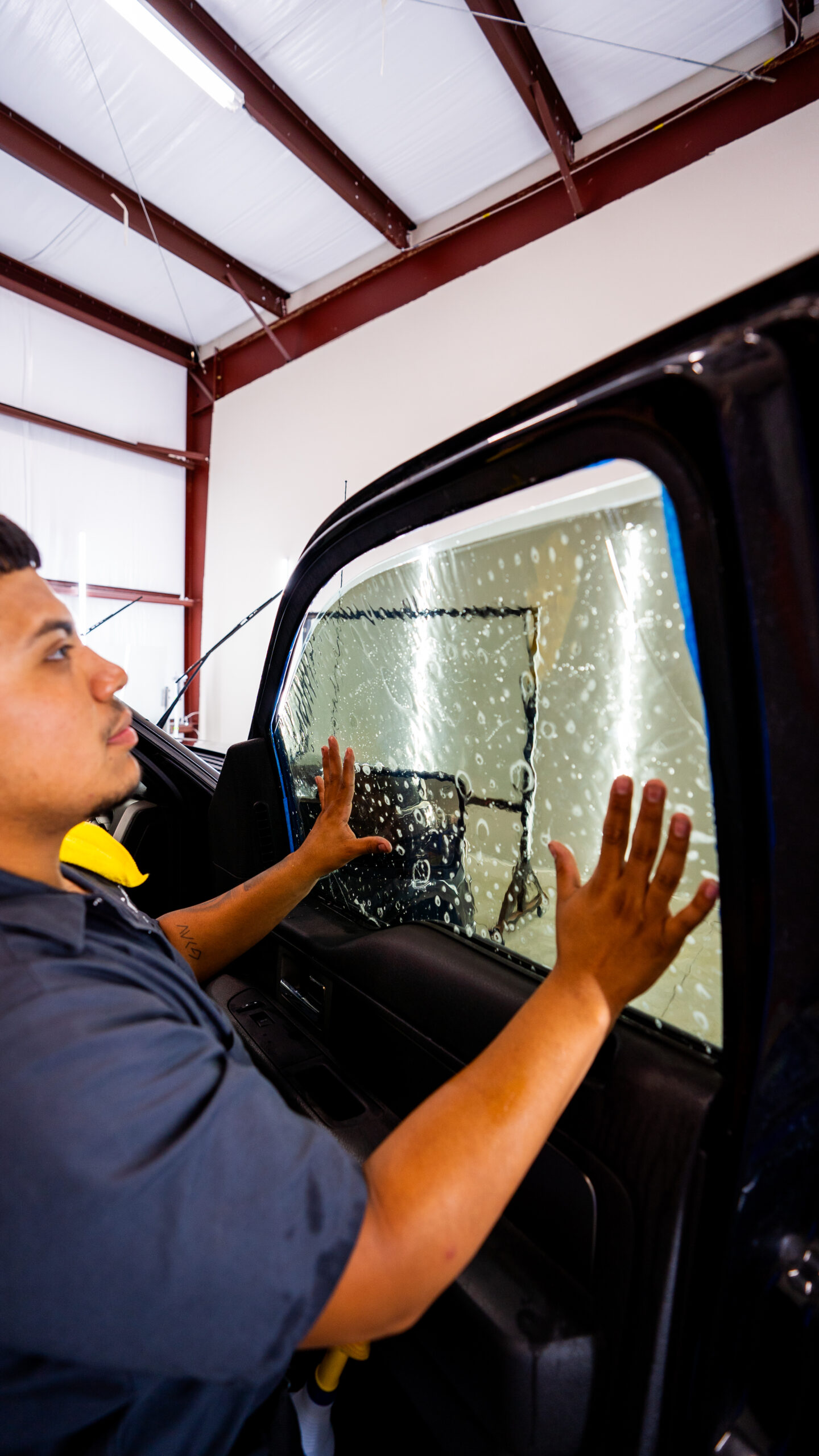
How is window tint applied to vehicles?
The application of window tint to vehicles involves cleaning the glass surface, carefully measuring and cutting the film, and then using a specialized solution to position and smooth the film onto the glass for perfect adhesion.
What is the best tint for heat rejection?
The best tint for heat rejection is ceramic film, as it blocks over 90% of heat and up to 99% of UV rays. This advanced technology provides optimal comfort and protection, making it ideal for warmer climates.
Are there legal restrictions on window tinting?
Legal restrictions on window tinting vary by state, determining acceptable tint percentages and reflectivity levels. It’s essential to check local laws to ensure compliance and avoid fines. Always consult with a professional for guideline adherence.
How to find reputable tinting services nearby?
Finding reputable tinting services nearby involves researching local companies, reading online reviews, and asking for recommendations from friends or family. Additionally, check for certifications and warranties to ensure quality installations.
What to expect from a detailing service?
What to expect from a detailing service is a comprehensive cleaning and restoration of your vehicle's interior and exterior. This usually includes thorough washing, waxing, polishing, vacuuming, and application of protective coatings to enhance your car's appearance and longevity.
Should I wash my car before detailing?
Washing your car before detailing is highly recommended. It helps remove dirt and debris, ensuring that the detailing process is more effective and protects the vehicle's surfaces from potential scratches during the cleaning.
How does window tinting affect visibility?
Window tinting affects visibility by reducing glare and enhancing comfort while driving. Higher tint percentages can make it more challenging to see at night, but the right level of tinting provides a balanced view without compromising safety during daylight.
What are eco-friendly car detailing options?
Eco-friendly car detailing options include using biodegradable cleaning products, waterless washes, and steam cleaning methods that minimize water usage and chemical runoff. These practices not only protect the environment but also ensure a safe and effective cleaning for your vehicle.