

How Paint Protection Prevents Acid Rain Damage Effectively
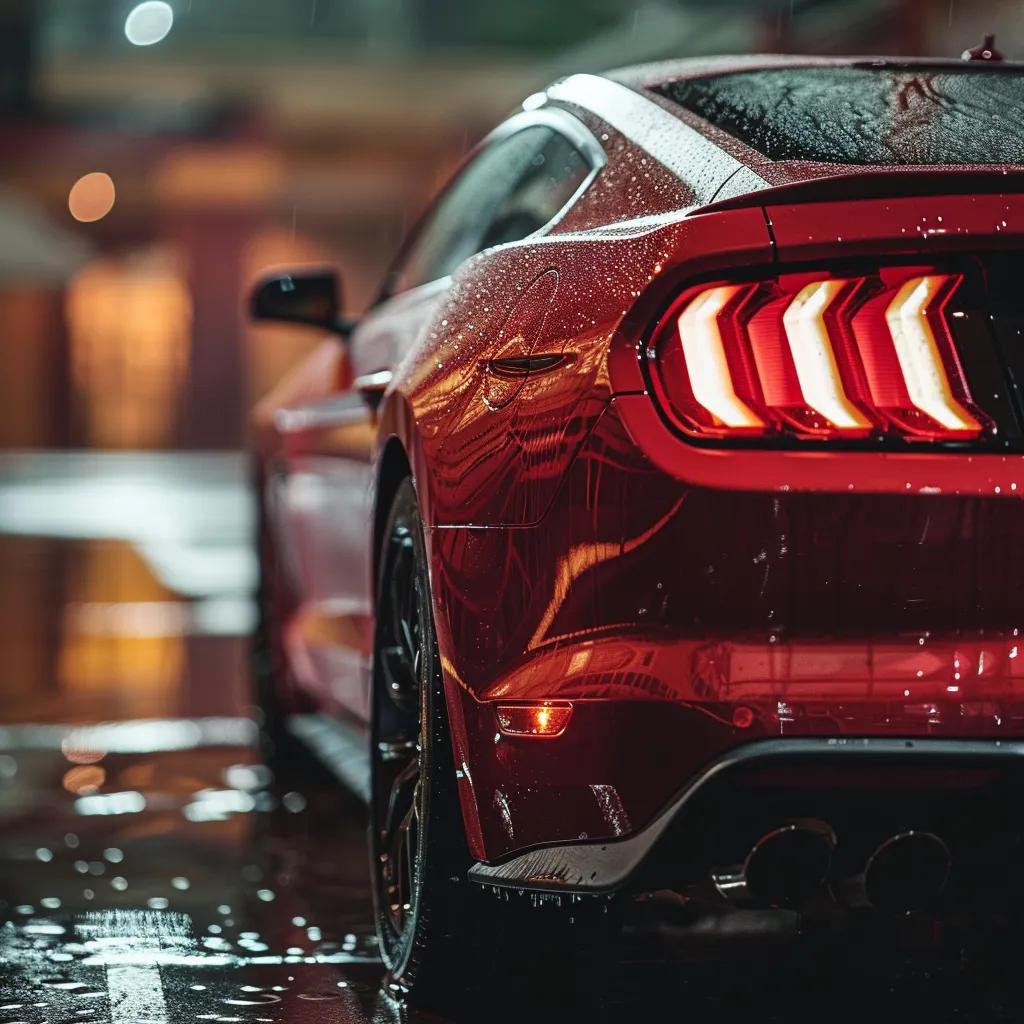
Benefits of Paint Protection Film for Acid Rain Damage Prevention Solutions
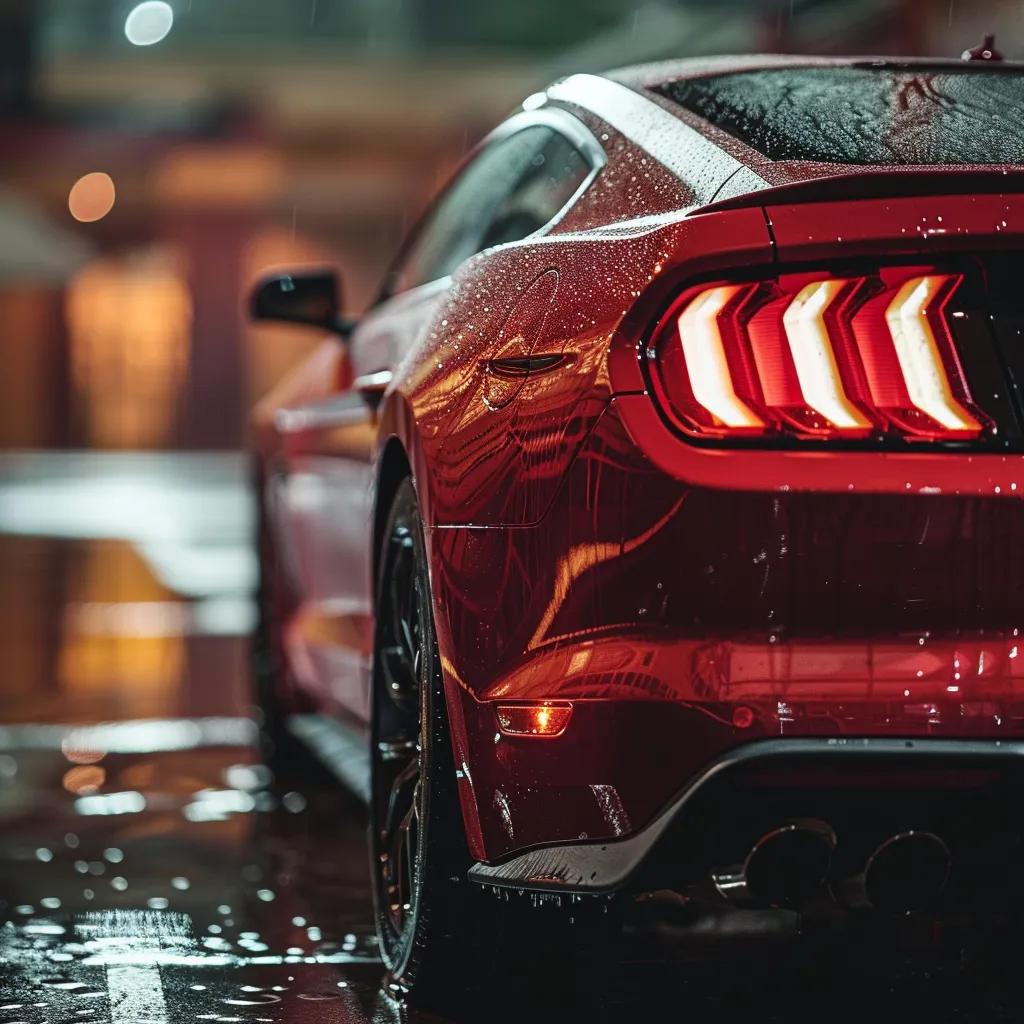
Acid rain corrodes a vehicle’s clear coat and paint layers by depositing sulfuric and nitric acids that chemically etch enamel, compromising shine and resale value. Understanding how Paint Protection Film (PPF) forms a urethane shield against acid deposition equips owners to safeguard their car’s finish, maintain curb appeal, and avoid costly repairs. This article explores the science behind acid rain formation and its impact on automotive paint, explains the barrier mechanisms and self-healing properties of PPF, outlines key preservation benefits, compares PPF to ceramic coatings and wax, details professional installation in College Station, TX, and describes post-installation maintenance practices.
What Is Acid Rain and How Does It Damage Vehicle Paint?
Acid rain refers to precipitation containing dissolved sulfur dioxide (SO₂) and nitrogen oxides (NOₓ) that falls onto vehicle surfaces, initiating chemical reactions that degrade paint and clear coats. When acidic droplets strike automotive enamel, they etch microchannels and strip protective polymers, causing dullness and micro-etching. For example, a single exposure in an industrial area can leave water spots that degrade over time into permanent stains, demanding professional correction.
What Causes Acid Rain and How Does It Form?
Acid rain forms when fossil fuel combustion releases sulfur dioxide and nitrogen oxides into the atmosphere. These gases undergo oxidation and react with atmospheric water vapor, creating sulfuric and nitric acids. Industrial emissions and vehicle exhaust are primary sources, so urban and highway-heavy regions experience more frequent acidic precipitation. Understanding this cycle highlights the importance of barrier technologies like PPF to intercept acid before it contacts paint.
Acid Rain Formation and Impact
Acid rain is formed when sulfur dioxide and nitrogen oxides, released from the burning of fossil fuels and vehicle exhaust, react with atmospheric water vapor to create sulfuric and nitric acids. These acids then fall to the earth as precipitation, damaging various surfaces, including vehicle paint.
This source provides the scientific basis for acid rain formation, which is essential for understanding the damage it causes to car paint.
How Does Acid Rain Affect Car Paint and Clear Coat?
Acidic precipitation attacks the clear coat layer first, dissolving hydrophobic sealants and exposing the pigmented base coat. Continuous exposure accelerates micro-etching, oxidation, and loss of gloss. Paint Protection Film (PPF) resists these chemical reactions by providing a sacrificial urethane layer, preserving the OEM finish beneath and preventing oxidation-related chalking.
What Are the Visible Signs of Acid Rain Damage on Vehicles?
Acid rain damage often appears as tiny, circular water spots that fail to wash away, followed by a loss of surface sheen, swirl marks, and etched rings around droplets. Over time, these marks coalesce into hazy patches and interlacing micro-scratches. Recognizing early signs—such as persistent spots and dulled paint—allows timely PPF installation to halt further degradation.
How Does Paint Protection Film Work to Prevent Acid Rain Damage?
Paint Protection Film is a transparent urethane membrane that adheres to a vehicle’s exterior, shielding paint from acid rain etching, stone chips, and abrasion. Its molecular structure repels waterborne acids and environmental contaminants, maintaining gloss and preventing clear coat dissolution. By intercepting acidic droplets, PPF preserves paint integrity and hydrolysis resistance over years of exposure.
What Is Paint Protection Film and What Materials Are Used?
Paint Protection Film consists of multiple urethane layers bonded with an acrylic adhesive and topped by a hydrophobic clear coat. The elastomeric composition grants flexibility for curved panels and durability against impacts. High-grade films from leading manufacturers feature advanced polymers that resist yellowing and maintain optical clarity.
Paint Protection Film Composition and Function
Paint Protection Film (PPF) is a multi-layered urethane membrane with an acrylic adhesive and a hydrophobic clear coat. This structure creates a barrier against environmental contaminants, including acid rain, by repelling water and preventing pollutants from reaching the clear coat. The film’s self-healing properties allow it to repair minor scratches when exposed to heat.
This citation supports the technical aspects of PPF composition and its protective mechanisms against environmental damage.
How Does PPF Create a Barrier Against Acid Rain and Environmental Contaminants?
PPF’s hydrophobic top coat repels water and acid, while the underlying urethane matrix absorbs impacts and prevents pollutant molecules from reaching the clear coat. A molecular adhesion layer secures the film to paint without damaging factory finishes. Together, these layers intercept acid rain droplets, stone chips, and airborne chemicals before they etch vehicle paint.
What Are the Self-Healing and UV Resistance Properties of PPF?
Self-healing PPF incorporates microcapsules that, when scratched, activate under heat (sunlight or warm water) to regenerate the surface, eliminating fine marks. UV inhibitors embedded in the film block ultraviolet rays from degrading both the film and underlying paint. This dual functionality ensures long-term protection and sustained gloss.
What Are the Key Benefits of Using Paint Protection Film Against Acid Rain?
Before listing benefits, it helps to understand how PPF preserves finish and prevents damage initiation. The following points outline primary value drivers for vehicle owners:
- Preserves Factory Paint by blocking acid etching and surface oxidation.
- Maintains Resale Value through unblemished finish that appeals to buyers.
- Avoids Costly Repairs by stopping clear coat dissolution before repainting is needed.
- Offers Multi-Threat Defense against stone chips, scratches, and chemical stains.
- Ensures Long-Term Durability with self-healing and UV stability up to ten years.
These benefits translate into measurable savings and aesthetic retention, demonstrating why PPF is the optimal acid rain prevention solution.
How Does PPF Preserve Vehicle Paint and Maintain Resale Value?
By intercepting corrosive acid rain droplets, PPF prevents micro-etching that leads to paint chalking and clear coat failure. Vehicles protected with PPF retain factory finish and showroom gloss, commanding higher resale prices and faster sale times. Paint Protection Film protects the asset’s aesthetic investment from environmental hazards.
How Does PPF Prevent Costly Paint Repairs and Repainting?
PPF forms a sacrificial barrier that absorbs chemical burns and surface stains, eliminating the need for frequent clay bar treatments and repainting. Repairing the film is more affordable than full-panel paint correction, saving thousands in labor and material costs over the vehicle’s lifetime.
What Additional Protection Does PPF Offer Beyond Acid Rain?
Beyond acid rain, Paint Protection Film guards against rock chips, insect acids, bird droppings, and road debris. Its abrasion-resistant urethane layer mitigates swirl marks from improper washing and shields bumpers, hoods, and mirror caps from daily hazards, providing comprehensive exterior preservation.
How Does Paint Protection Film Compare to Other Acid Rain Protection Solutions?
Comparing PPF to ceramic coatings and wax reveals distinct performance and maintenance characteristics across protection methods. The table below breaks down core attributes:
PPF vs. Other Protection Methods
Paint Protection Film (PPF) offers superior protection against acid rain compared to ceramic coatings and wax due to its physical barrier and self-healing properties. Ceramic coatings provide hydrophobic properties, and wax enhances gloss, but neither offers the same level of abrasion resistance or long-term protection against acid rain damage as PPF.
This citation provides a comparison of different protection methods, highlighting the advantages of PPF in preventing acid rain damage.
What Are the Differences Between PPF, Ceramic Coating, and Wax?
PPF uses a thick, clear urethane film to physically block contaminants, whereas ceramic coatings create a chemical bond with paint and wax provides a thin hydrophobic layer. PPF outperforms both in abrasion resistance and long-term acid rain protection due to its sacrificial, self-healing nature.
Why Is PPF Considered Superior for Acid Rain Damage Prevention?
PPF’s combination of hydrophobic top coat, urethane resilience, and self-healing properties repels acidic droplets and repairs micro-scratches autonomously. Its ability to prevent chemical etching and maintain OEM factory gloss makes it the most robust barrier against acid rain and environmental pollutants.
How Do Maintenance Requirements Differ Among These Protection Methods?
Maintaining PPF involves regular washing with pH-neutral solutions and annual inspections to ensure film integrity. Ceramic coatings require a two-step reapplication every few years, while wax demands monthly buffing. PPF’s minimal upkeep and extended service life reduce total maintenance time and cost.
Why Choose Professional Paint Protection Film Installation in College Station, TX?
Professional installation at Envy This Detailing ensures precise film contouring, bubble-free adhesion, and optimal curing conditions. Expert technicians use advanced heat guns and tension tools to conform PPF to complex curves, eliminating lift edges and maximizing adhesion longevity.
What Is the Professional PPF Installation Process at Envy This Detailing?
- Surface Preparation: Comprehensive decontamination and clay bar treatment to remove pollutants.
- Template Precision: Computer-cut PPF patterns tailored for each vehicle panel.
- Adhesion Application: Spray-on slip solution permits exact film placement without stretching.
- Heat-Activated Curing: Controlled heat application bonds adhesive for a seamless finish.
- Final Inspection: Meticulous edge sealing and quality check to ensure durability.
This methodical sequence guarantees consistent, factory-grade results.
How Does Expert Installation Enhance PPF Performance and Durability?
Certified installers at Envy This Detailing leverage patented techniques to eliminate seams in high-stress areas and optimize adhesive bonds. Proper tensioning and edge sealing prevent premature lifting, while post-cure conditioning ensures the film’s hydrophobic top coat achieves full effectiveness.
What Are Customer Experiences and Testimonials from College Station?
Local clients report an immediate transformation in paint clarity and long-term peace of mind after PPF installation. One owner noted:
Positive reviews highlight flawless finishes, professional service, and measurable savings on paint correction.
How Should You Maintain Your Vehicle’s Paint After PPF Installation?
Maintaining PPF requires gentle care and regular inspection to preserve performance. Use soft microfiber mitts and pH-neutral shampoos to wash away contaminants without abrading the film. Avoid automatic brushes and harsh chemicals that can erode the hydrophobic layer.
What Are the Best Washing and Detailing Practices for PPF?
- Rinsing with low-pressure water to dislodge grit before contact.
- Two-bucket wash method with dedicated mitts to prevent swirl marks.
- pH-balanced shampoo and microfiber drying towels for scratch-free drying.
- Periodic use of film-safe detail sprays to restore hydrophobic properties.
Consistent practices maintain clarity and acid-repellent performance.
How Can You Extend the Lifespan of Your Paint Protection Film?
- Parking in shaded or covered areas to limit UV exposure.
- Promptly removing tree sap, bird droppings, and pollutants using gentle solutions.
- Annual professional inspections to address lifting edges and apply top-coat rejuvenators.
These measures preserve film elasticity and self-healing capabilities for the full rated lifespan.
What Are the Most Common Questions About Paint Protection Film and Acid Rain?
Vehicle owners often ask whether PPF truly blocks acidic precipitation, how long the film endures under environmental stress, and if acid rain spots can be removed without protection. Paint Protection Film delivers proven defense against acid etching, typically lasting 5 to 10 years with proper care. Without PPF, removing acid rain spots requires aggressive polishing, which thins clear coat and risks swirl marks. Many wonder if ceramic coatings outperform PPF for acid rain; while coatings repel water, they lack self-healing thickness and sacrificial barrier properties. To explore PPF options or schedule a consultation with Envy This Detailing, visit our contact page and request a personalized quote today.
Protect your vehicle proactively with Paint Protection Film and experience the unmatched defense against acid rain, preserving both beauty and value for years to come.
Ready to safeguard your finish? Explore our full range of detailing solutions or book a PPF consultation online and drive with confidence.

Leave A Comment